

Introduction
Work trucks are essential vehicles for businesses across various industries, from construction and landscaping to delivery services and utilities. These trucks are designed to transport tools, equipment, and materials to job sites efficiently. However, without proper cargo management, work truck owners may face challenges such as disorganization, damage to equipment, and decreased productivity. In this comprehensive guide, we will explore the importance of work truck cargo management and provide practical tips and strategies to help you maximize efficiency and streamline operations.
Chapter 1: Understanding the Importance of Work Truck Cargo Management
1.1 Definition of Work Truck Cargo Management
Work truck cargo management refers to the process of organizing, securing, and optimizing the storage space within a work truck to ensure efficient transportation of tools, equipment, and materials. Effective cargo management is crucial for maximizing the available space, preventing damage to valuable assets, and improving overall productivity.
1.2 Benefits of Proper Cargo Management
- Improved Organization: Proper cargo management helps keep tools, equipment, and materials organized and easily accessible, saving time and reducing frustration.
- Increased Safety: Securely storing cargo prevents shifting during transit, reducing the risk of accidents and injuries.
- Enhanced Efficiency: Well-organized cargo enables quick loading and unloading, leading to faster job completion and increased productivity.
- Cost Savings: Preventing damage to equipment and materials through proper storage can lower maintenance and replacement costs.
- Professional Image: A well-maintained work truck with organized cargo reflects positively on your business and enhances your reputation with clients.
Chapter 2: Types of Work Truck Cargo Management Systems
2.1 Shelving and Storage Solutions
Shelving systems are commonly used in work trucks to maximize vertical storage space and keep tools and equipment organized. These systems typically consist of adjustable shelves, bins, drawers, and dividers that can be customized to fit specific tools and materials. Popular storage solutions include:
- Metal shelving units: Durable and versatile, metal shelves can support heavy loads and withstand rough handling.
- Plastic bins and containers: Lightweight and impact-resistant, plastic bins are ideal for storing small parts and accessories.
- Drawer units: Drawers provide easy access to tools and equipment and can be locked for security.
2.2 Racks and Ladder Systems
Racks and ladder systems are designed to transport oversized or long items such as ladders, pipes, and lumber securely on the exterior of the work truck. These systems include:
- Ladder racks: Mounted on the roof or side of the truck, ladder racks provide a safe and convenient way to transport ladders and other long items.
- Pipe racks: Designed with adjustable arms or brackets, pipe racks can accommodate various lengths of pipes and tubing.
- Utility racks: Utility racks feature adjustable crossbars and tie-down points for securing bulky items like plywood and drywall.
2.3 Toolboxes and Tool Chests
Toolboxes and tool chests are essential for organizing and protecting hand tools, power tools, and accessories. Available in various sizes and configurations, toolboxes can be mounted inside the truck bed or on the exterior. Key features to consider include:
- Locking mechanisms: Secure toolboxes with locks to prevent theft and unauthorized access.
- Weatherproofing: Choose toolboxes with weather-resistant seals to protect tools from moisture and dust.
- Drawer liners: Non-slip drawer liners help prevent tools from shifting during transit.
Chapter 3: Best Practices for Work Truck Cargo Management
3.1 Assessing Cargo Needs
Before investing in cargo management solutions, assess your specific cargo needs based on the types of tools, equipment, and materials you transport regularly. Consider factors such as size, weight, fragility, and frequency of access to determine the most suitable storage options for your work truck.
3.2 Planning Cargo Layout
Create a layout plan for organizing tools and equipment within your work truck to maximize space and accessibility. Group items by category or frequency of use and allocate storage locations accordingly. Consider factors such as weight distribution, ease of reach, and safety when planning the cargo layout.
3.3 Securing Cargo
Properly securing cargo is essential to prevent shifting, sliding, or tipping during transit, which can pose safety risks and cause damage to equipment. Use tie-down straps, bungee cords, ratchet straps, and cargo nets to secure items to anchor points or mounting brackets within the truck bed.
3.4 Labeling and Inventory Management
Maintain an inventory of tools and equipment stored in your work truck and label storage containers, shelves, and compartments for easy identification. Implement a tracking system to monitor tool usage, maintenance schedules, and restocking needs to ensure efficient inventory management.
3.5 Regular Maintenance and Inspections
Inspect and maintain your work truck cargo management systems regularly to ensure they remain secure, functional, and in good condition. Check for signs of wear, loose fasteners, or damaged components, and address any issues promptly to prevent accidents or equipment damage.
Chapter 4: Innovative Cargo Management Solutions for Work Trucks
4.1 Mobile Workstations
Mobile workstations are customizable storage solutions that provide a portable workspace for organizing tools, equipment, and supplies. These compact units typically feature drawers, cabinets, work surfaces, and power outlets, allowing users to perform tasks efficiently on-site without the need for a fixed workspace.
4.2 Modular Storage Systems
Modular storage systems offer versatility and flexibility in organizing cargo within a work truck. These systems consist of interchangeable components such as drawers, bins, shelves, and cabinets that can be rearranged or expanded to accommodate changing storage needs. Modular systems are ideal for maximizing space utilization and customization.
4.3 Integrated Cargo Management Software
Integrated cargo management software enables work truck owners to track inventory, schedule maintenance, and optimize route planning and load distribution. These digital solutions provide real-time visibility into cargo operations, allowing for better decision-making, resource allocation, and cost control.
Chapter 5: Case Studies: Real-World Examples of Effective Work Truck Cargo Management
5.1 Construction Company A: Implementing a Custom Shelving System
Construction Company A specializes in residential remodeling projects and relies on work trucks to transport tools, materials, and equipment to job sites. To improve cargo organization and efficiency, the company installed a custom shelving system with adjustable shelves, bins, and tool holders. By categorizing tools by type and frequency of use, the company reduced loading times, minimized tool loss, and enhanced worker productivity.
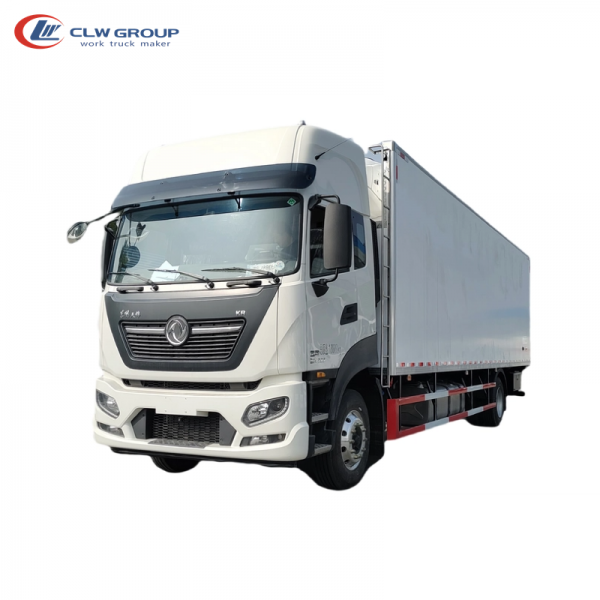
5.2 Landscaping Service B: Utilizing Ladder and Rack Systems
Landscaping Service B provides lawn care and maintenance services to residential and commercial clients. To streamline operations and enhance safety, the company invested in ladder and rack systems to transport ladders, trimmers, and other bulky items securely. By utilizing important site -mounted ladder racks and adjustable pipe racks, the company improved cargo visibility, reduced damage to equipment, and optimized truck bed space for additional tools and supplies.
Conclusion
Effective work truck cargo management is essential for maximizing efficiency, ensuring safety, and maintaining a professional image for businesses that rely on work trucks for daily operations. By implementing strategic cargo management solutions, such as shelving systems, racks, toolboxes, and digital software, work truck owners can optimize storage space, prevent damage to equipment, and improve overall productivity. With careful planning, regular maintenance, and innovative solutions, work truck owners can create a well-organized and efficient cargo management system that meets the unique needs of their business.